
Unlock your business’s potential with MRB Media’s expert SEO-driven marketing and web design strategies. Book a consultation to start your journey to online success today!
Follow Us Anywhere!
©2024 MRB Media, Inc. | All rights reserved.


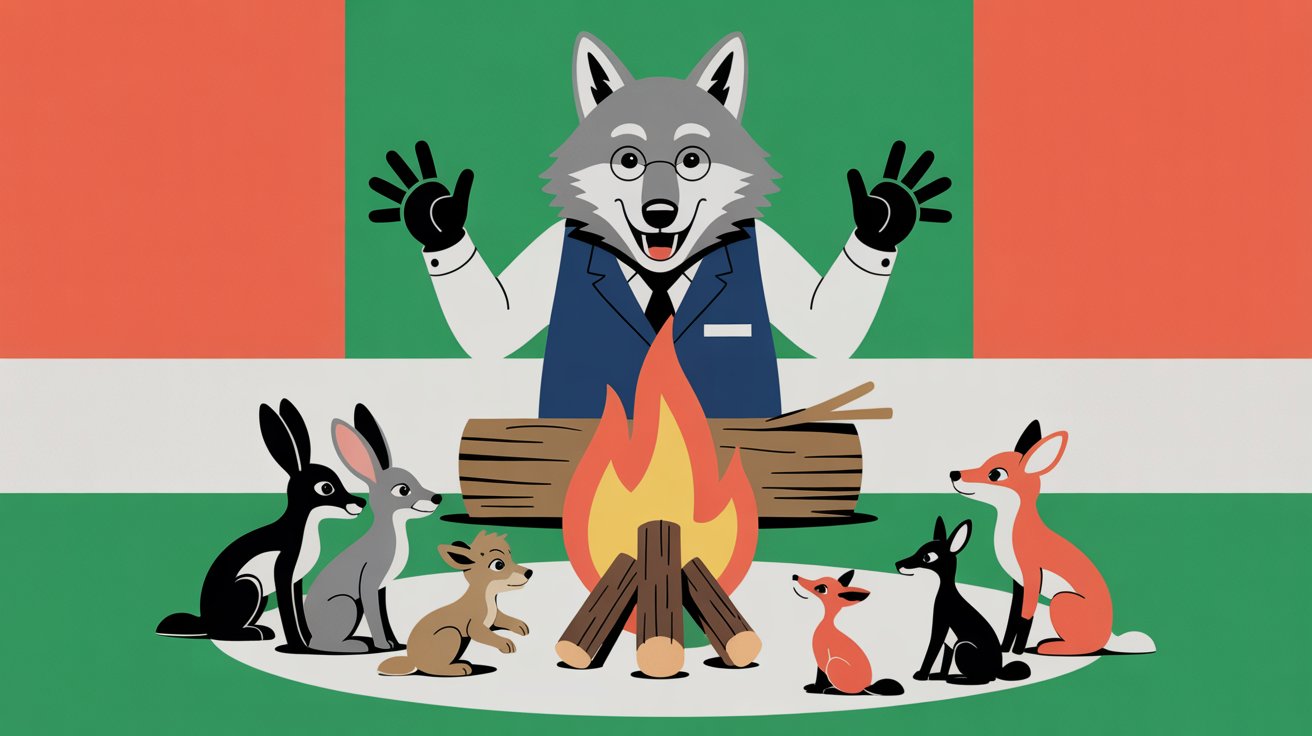
Humans have been telling stories for thousands of years. Before we had written language, we relied on stories to pass on knowledge, share experiences, and build community. That instinct is still hardwired into our brains. When we hear a story, we become emotionally engaged. When we read facts, we process information, but we don’t feel connected.
This is why storytelling for business is so powerful. Consumers today are overwhelmed with marketing messages, product claims, and polished branding. They are skeptical of generic value propositions and scripted sales pitches. But stories cut through that noise.
A personal origin story communicates three things that traditional marketing rarely achieves: authenticity, humanity, and purpose. These elements turn a business from a faceless brand into a relatable character in the customer’s world.
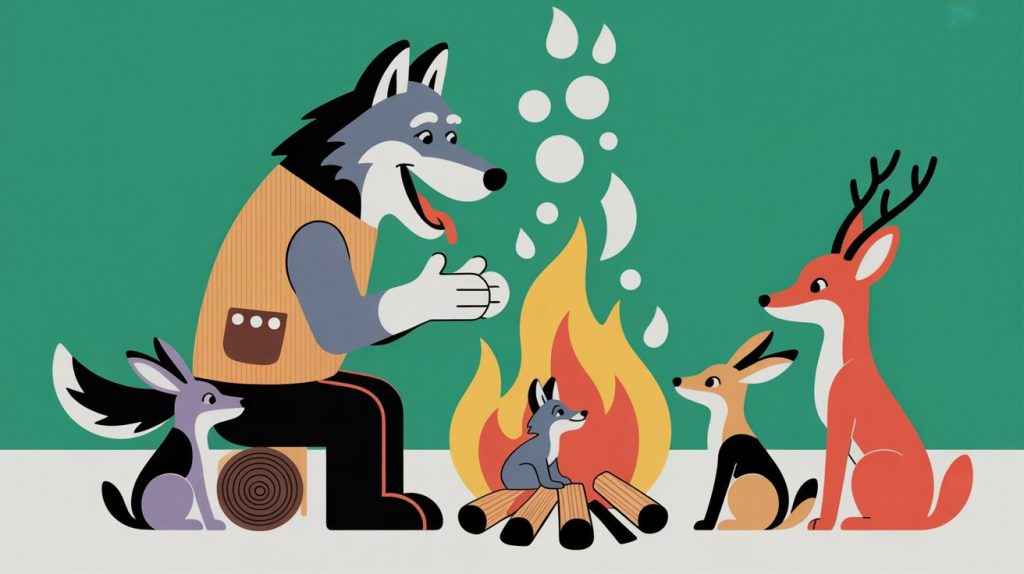
A study from Headstream found that 55 percent of consumers are more likely to buy from a brand if they love its story. Stories create emotional trust, which leads to deeper loyalty and advocacy. Customers don’t just buy what you sell. They buy why you exist.
Research in cognitive psychology shows that humans retain information up to twenty-two times more effectively when it is embedded in a story rather than delivered as isolated facts. When customers recall your brand, it often isn’t the product that comes to mind—it’s the narrative around it.
In crowded markets, products can look similar. Prices fluctuate. Features get copied. But your story is uniquely yours. Competitors can replicate your product, but they cannot replicate your journey, your challenges, or your motivations.
In an era of AI-generated content and automated messaging, customers crave real human connection. An origin story shows the heart behind the business, the person behind the mission, and the journey behind the brand. This is often what builds trust long before a customer makes a purchase.
| Reason | Impact | Supported By |
|---|---|---|
| Emotional connection | Increases purchase likelihood | Headstream Consumer Storytelling Report |
| Memorable format | Raises recall by 22x compared to facts | Stanford Graduate School of Business |
| Authenticity | Builds long-term loyalty | Harvard Business Review |
Data compiled from leading consumer psychology and branding research.
Storytelling for business is not about inventing a narrative. It is about uncovering the truth behind why your business exists and expressing it in a way that resonates. A great origin story has clarity, emotional honesty, and a clear message that supports your mission.
Below is a framework that makes the process simple and repeatable.
Every origin story begins with a catalyst. What moment inspired the creation of your business? It could be a frustration you encountered, a need you saw in your community, or a personal challenge you wanted to solve.
Examples:
A café owner who struggled to find high-quality coffee in their neighborhood.
A software developer who built a tool after experiencing repeated workflow headaches.
A fitness coach who transformed their own life and wanted to help others do the same.
This moment becomes the emotional anchor of your story.
People relate to challenges. Sharing the roadblocks you faced humanizes your brand and shows your determination. Avoid exaggeration. Authenticity resonates more deeply than dramatic storytelling.
Examples:
Bootstrapping with limited resources.
Learning hard lessons from early failures.
Building a business while working another job.
Struggles make your eventual success more compelling.
This is the moment when you realized your idea could become a real business. It may involve a breakthrough, a mentor’s advice, a customer success story, or a sudden shift in perspective.
The turning point gives your story momentum and helps the listener understand how you evolved from concept to execution.
Your story should connect past motivations with present intentions. Why do you continue doing this work? What guides your decisions and inspires your business today?
An origin story becomes powerful when your mission is rooted in genuine purpose.
Your journey should ultimately show how you help your audience. Customers care about your story, but only if it shows them how your experiences translate into expertise, passion, or dedication to serve them.
Storytelling for business succeeds across industries. Below are real-world examples of how major and small brands alike use origin stories to build trust and long-term loyalty.
Patagonia’s story begins with founder Yvon Chouinard, a climber who crafted his own climbing equipment because commercial versions damaged rock surfaces. His passion for the environment and exploration shaped the brand’s identity. Patagonia’s customers buy not only clothing but a philosophy rooted in environmental stewardship. The origin story continues to inform every product release and nonprofit initiative.
Warby Parker was founded after one of its creators lost his glasses and found replacements too expensive. Their frustration turned into a mission to offer stylish eyewear at accessible prices. The story gives the brand relatability and positions the company as a consumer advocate.
Ben & Jerry’s began in a renovated gas station with two friends experimenting with flavors. Their start-up story emphasizes creativity, social values, and community involvement. Their playful brand identity is grounded in their founders’ personalities, making their narrative memorable and charming.
Local bakeries that began in a family kitchen.
Coaches who turned personal transformations into a business.
Craft makers who struggled to find quality supplies and solved the gap themselves.
These smaller examples prove that you do not need a global brand to tell a meaningful origin story. What matters most is sincerity and clarity.
“A brand becomes more human when it shares its story. Customers stay loyal not to products, but to the people and purpose behind them.”
Storytelling for business is not a trend. It is a timeless communication strategy rooted in human psychology. When you share your origin story, you turn your brand into a character your customers can believe in. You create emotional resonance, differentiate yourself from competitors, and build loyalty that lasts.
Every business has a story worth telling. Your journey—your challenges, your values, and your purpose—forms the foundation of your brand identity. When you express it clearly, authentically, and consistently, your customers feel they are part of something meaningful.
👉Book a Brand Story Strategy Call to uncover the narrative behind your business, craft an authentic origin story, and turn your journey into a powerful tool for customer loyalty and long-term trust.